$125.00–$1,500.00Price range: $125.00 through $1,500.00
Premium MDMA Gummies with Verified Purity and Dosage
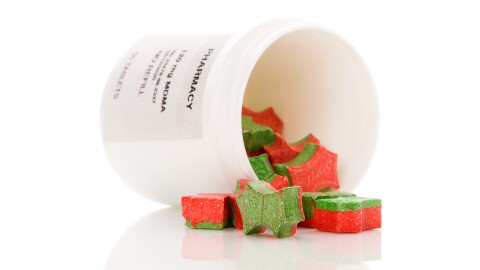
At Canada Psychedelic Therapy Shop, we offer MDMA gummies with a verified purity level of 99%, ensuring you receive a top-tier product. Each pack contains 10 gummies with precise dosages for a safe and controlled experience. Our gummies are lab-tested, discreetly packaged, and come in a variety of flavors to suit your preferences.
Why Choose MDMA Deals for MDMA Gummies?
Guaranteed Purity: 99% pure MDMA in every gummy.
Precise Dosages: Each gummy is accurately dosed for your convenience.
Discreet Packaging: Privacy is our priority with secure, unmarked shipping.
Exclusive Offers: Enjoy bulk discounts, loyalty rewards, and first-time buyer deals. Order now from MDMA Deals and elevate your experience with the best MDMA gummies on the market!
Where Can I Order MDMA Gummies Online Canada? MDMA, or 3,4-methylenedioxymethamphetamine, is a synthetic psychoactive substance known for its stimulant, entactogenic (empathy-enhancing), and mild hallucinogenic properties. Commonly called ecstasy (in pill form) or molly (often powder or crystal), it has gained notoriety in rave, festival, and party scenes. MDMA gummies refer to edible candy-like products—gummies, jellies, or similar confections—infused with MDMA or substances sold as such. Where can I Buy Molly candy online Canada? | Can You Buy MDMA Gummies Online Canada | How can You Purchase MDMA Gummies Online USA? | How can You Purchase MDMA Gummies Online USA?
These gummies represent a shift in how MDMA is consumed, moving from traditional tablets to more discreet, palatable, and visually appealing formats that can resemble ordinary candy. This form raises unique concerns about accidental ingestion (especially by children), inconsistent dosing, and appeal to new or younger users. This detailed overview covers the history, science, effects, risks, legality, and broader context of MDMA gummies, based on pharmacological, public health, and law enforcement data. Note: MDMA is a controlled substance in most countries with high abuse potential and no accepted medical use in non-research settings for recreational purposes. This explanation is for educational purposes only and does not endorse use.
MDMA was first synthesized in 1912 by the German pharmaceutical company Merck as a potential intermediate in developing hemostatic (blood-clotting) agents. It was not pursued for medical use at the time. Its psychoactive properties went largely unnoticed until the 1970s, when American chemist Alexander Shulgin resynthesized it and shared it with psychotherapists. Shulgin and others noted its ability to promote emotional openness, empathy, and reduced fear, leading to exploratory use in couples therapy and personal growth sessions in the late 1970s and early 1980s.
By the early 1980s, MDMA entered recreational markets, particularly in the United States, under names like “ecstasy.” Its popularity exploded in the dance and club scenes due to enhanced sensory experiences and feelings of connection. In 1985, the U.S. Drug Enforcement Administration (DEA) placed it on Schedule I of the Controlled Substances Act via emergency scheduling, citing high abuse potential and lack of accepted medical safety. This ban curtailed therapeutic research for decades.
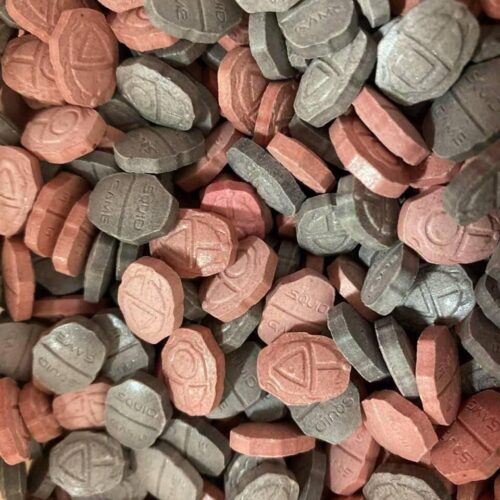
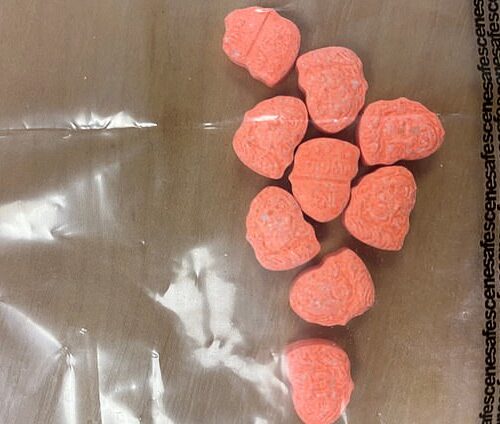
Illicit production ramped up, often in clandestine labs in Europe (notably the Netherlands and Belgium) and Canada, supplying global markets. Over time, tablets evolved with logos, and newer forms like powders (“molly”) and edibles emerged. Gummies and similar candies appeared more prominently in reports in recent years as producers sought discreet, marketable formats. European monitoring notes candies, jellies, gummies, and lollipops containing MDMA, potentially increasing social acceptability and appeal to non-traditional users. Where Can I Order MDMA Gummies Online Canada?
MDMA’s chemical structure is C₁₁H₁₅NO₂. It belongs to the phenethylamine class, structurally similar to amphetamines and mescaline. The methylenedioxy ring distinguishes it, contributing to its unique entactogenic effects.
In the brain, MDMA primarily acts by reversing the serotonin transporter (SERT), flooding synapses with serotonin. It also releases dopamine and norepinephrine, and inhibits their reuptake. This leads to elevated mood, energy, and empathy. Oxytocin release may enhance bonding feelings. MDMA also has mild affinity for 5-HT2A receptors, explaining subtle perceptual changes.
Absorption and duration: When taken orally (as in gummies), effects begin in 30-45 minutes (sometimes 20-60), peak around 60-90 minutes, and last 3-6 hours, with aftereffects lingering. Gummies may alter onset due to digestion, potentially delaying or prolonging release compared to crushed pills. Bioavailability varies with food intake and individual metabolism.
Dosing: Typical recreational doses range 50-150 mg of pure MDMA. A standard “tablet” might contain 80-125 mg. Gummies vary widely—uneven distribution means one piece could have little or much more than expected. Street products often contain adulterants (e.g., other stimulants, cathinones, or unrelated substances), making potency unpredictable.
MDMA is metabolized mainly by CYP2D6 in the liver. Genetic variations affect clearance; some people are poor metabolizers, increasing risks. Where Can I Order MDMA Gummies Online Canada?
MDMA gummies are gelatin-based or pectin-based candies infused with MDMA powder or solution. They mimic commercial gummy bears, worms, or fruit shapes, often brightly colored and flavored to mask bitterness. Reports from law enforcement and monitoring agencies highlight them as emerging products alongside lollipops and chocolates.
Advantages claimed by users (not endorsed): Discreet carrying, easier ingestion (no swallowing large pills), appealing taste, and slower release potentially smoothing the come-up.
Major drawbacks:
Inconsistent dosing: Gummies are hard to dose precisely without lab equipment. Hotspots or weak pieces are common.
Adulteration: Products sold as “MDMA gummies” may contain little MDMA, or substitutes like 2F-2OXO-PCM (a dissociative) or other synthetics.
Appeal to minors: Candy appearance increases accidental ingestion risk or intentional use by younger people.
Dehydration and overheating synergy: Combined with party environments, the sugar and slow absorption complicate harm reduction (e.g., hydration timing).
Production occurs in illicit labs using precursors like safrole or PMK (piperonyl methyl ketone). Extraction and crystallization follow, then incorporation into gummy mixtures. This process is unregulated, risking contamination with solvents, heavy metals, or byproducts.
Users often describe “peaking” as profound well-being. In therapeutic contexts, this facilitates trauma processing by reducing fear responses. How can You Purchase MDMA Gummies Online USA?
Physiological Effects:
Increased heart rate, blood pressure, and body temperature.
Jaw clenching (bruxism), teeth grinding.
Dilated pupils, sweating, dry mouth.
Appetite suppression.
Come-down and Aftereffects: “Tuesday blues” or mid-week crash from serotonin depletion—fatigue, depression, irritability, lasting days. Sleep disruption is common.
MDMA is not without risks, despite being relatively lower-toxicity among stimulants in controlled settings. How can You Purchase MDMA Gummies Online USA?
Acute Risks:
Hyperthermia: MDMA impairs thermoregulation. In hot, crowded environments with dancing, body temperature can spike dangerously, leading to organ failure. Deaths often involve this plus dehydration or overhydration.
Cardiovascular strain: Tachycardia, hypertension; risky for those with heart conditions.
Serotonin syndrome: Especially when mixed with other serotonergic drugs (e.g., antidepressants, MAOIs).
Overdose: Rare from pure MDMA alone at moderate doses, but high doses (>200-300+ mg) or adulterants increase seizures, coma, or death. Estimated lethal risk per dose: roughly 1 in 20,000-50,000.
Hyponatremia: Over-drinking water without electrolytes. Can You Buy MDMA Gummies Online Canada?
Long-term Risks:
Neurotoxicity: Animal studies show serotonin neuron damage at high/repeated doses. Human evidence is mixed but suggests possible memory, mood, and cognitive impacts with heavy use.
Tolerance and dependence: Psychological dependence possible; physical less so.
Mental health: Exacerbation of anxiety, depression, paranoia. Heavy users report persistent mood issues.
Dental damage from grinding.
Liver/kidney strain in vulnerable individuals. How can You Purchase MDMA Gummies Online USA?
Gummy-Specific Risks: Delayed onset may lead to redosing. Candy disguise increases accidental exposure. Uneven distribution heightens overdose chance. Where Can I Order MDMA Gummies Online Canada?
Polydrug Use: Common with alcohol, cannabis, stimulants, or ketamine—multiplies dangers.
Vulnerable groups (pregnant people, those with mental health issues, cardiovascular problems) face higher risks. Where can I Buy Molly candy online Canada?
MDMA is Schedule I in the US: high abuse potential, no accepted medical use (recreationally), illegal to manufacture, possess, or distribute. Penalties are severe.
Similar controls exist globally (e.g., Class A in UK, Schedule I equivalents elsewhere). Australia allows limited prescription for PTSD therapy. Research exceptions exist under strict protocols. Possession of gummies would fall under the same laws as other MDMA forms. Where can I Order Liquid MDMA HCL Online Canada?
International trafficking often involves European labs smuggling to other regions.
Despite recreational risks, pure MDMA shows promise in assisted psychotherapy for PTSD, anxiety, and end-of-life distress. Phase 3 trials (e.g., by MAPS/Multidisciplinary Association for Psychedelic Studies) demonstrated significant symptom reduction. FDA breakthrough therapy designation occurred, though full approval faced hurdles. Australia approved it for certain therapies. MDMA At Home Therapy USA.
Therapy uses controlled doses (typically 80-120 mg, sometimes redose) in clinical settings with preparation and integration sessions. This differs vastly from recreational gummy use. Where can I Buy Molly candy online Canada?
MDMA gummies reflect evolving drug markets: edibles for discretion amid legalization trends in other substances (cannabis). Demand persists due to prohibition’s failure to curb supply while driving unsafe production. Public health approaches emphasize education over solely punitive measures. Where can I Buy Molly candy online Canada?
Prevalence: Millions use globally annually; lifetime U.S. use around 7% in some surveys. Most use occasionally, but a subset develops problematic patterns.
Cultural depictions in music and media glamorize effects while downplaying risks. Where Can I Order MDMA Gummies Online Canada?
MDMA gummies encapsulate the allure and peril of this substance: empathy, euphoria, and sensory enhancement in a convenient candy form, contrasted with unpredictable potency, health dangers, legal consequences, and potential for harm. While pure MDMA in controlled therapeutic settings holds promise, recreational use—especially in adulterated edibles—carries significant acute and chronic risks. Understanding the full pharmacology, history, and evidence-based harms empowers informed decisions. Prioritize health, legality, and safety; seek professional help for substance issues. Research continues into medical applications, but non-medical use remains prohibited in most jurisdictions for good reason. Where Can You Buy MDMA HCL Online Canada?
Amount And Prices
1 Cup Of 50 Gummies ( 100mg ), 2 Cups Of 100 Gummies (100mg), 3 Cups Of 150 Gummies ( 100mg), 5 Cups Of 250 Gummies ( 100mg), 10 Cups Of 500 Gummies ( 100mg), 20 Cups Of 1000 Gummies ( 100mg)
Reviews
There are no reviews yet.
Be the first to review “Order MDMA Gummies Online Canada”Cancel Reply




Reviews
There are no reviews yet.