$160.00–$2,060.00Price range: $160.00 through $2,060.00
Our Ketamine Lozenges are sourced from reputable suppliers, ensuring the best therapeutic benefits for mental health and wellness. Whether you’re seeking relief from depression or anxiety, we offer a convenient solution with fast and discreet shipping.
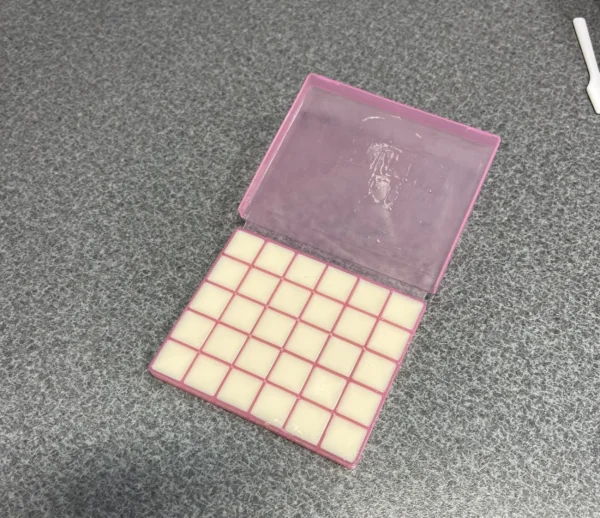
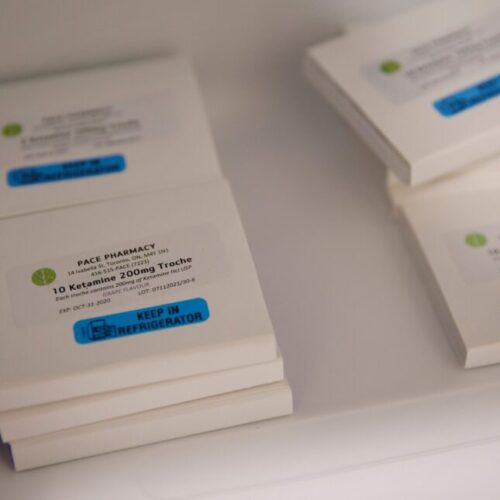
Where Can I Buy Ketamine Lozenges Online Canada, Ketamine Lozenges also known as ketamine troches, are a compounded oral/sublingual formulation of ketamine hydrochloride designed to dissolve slowly in the mouth (typically under the tongue or in the cheek) for absorption through the mucous membranes. Where can I buy ketamine lozenges online USA | Telehealth clinics prescribing ketamine lozenges | Where to buy prescription-only ketamine lozenges online Canada | How to order ketamine lozenges from a Canadian online pharmacy
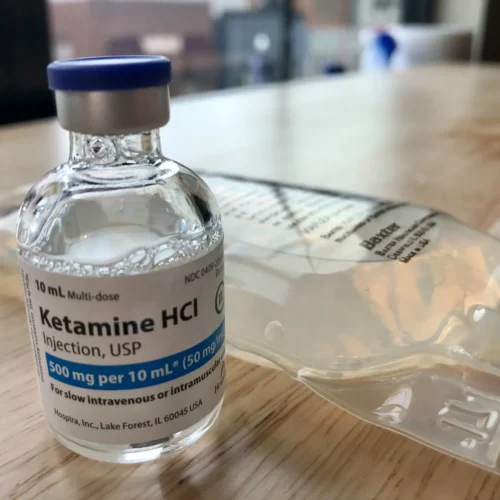
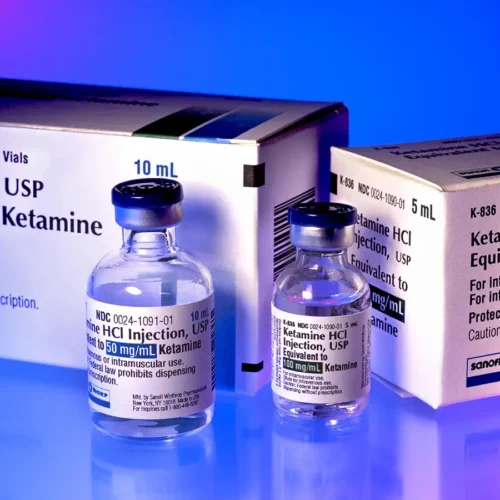
They represent one of several non-injectable delivery methods for ketamine, alongside options like nasal sprays or IV infusions. While ketamine itself is FDA-approved primarily as a general anesthetic (e.g., Ketalar), lozenges are compounded (custom-made by pharmacies) and used off-label for conditions like treatment-resistant depression (TRD), anxiety, PTSD, chronic pain, and sometimes other mood disorders.
These are not FDA-approved for psychiatric uses, and the FDA has issued warnings about the risks of compounded ketamine products, particularly when used at home without direct medical supervision.
Ketamine was first synthesized in 1962 by Calvin Stevens as a derivative of phencyclidine (PCP), aiming for a safer anesthetic with fewer hallucinogenic side effects. It was approved by the FDA in 1970 for anesthetic use and gained prominence during the Vietnam War for battlefield medicine due to its ability to maintain breathing and cardiovascular stability.
In the early 2000s, researchers discovered its rapid antidepressant effects at sub-anesthetic (much lower) doses, sparking interest in its psychiatric applications. This led to the development of esketamine (the S-enantiomer, Spravato nasal spray, FDA-approved in 2019 for TRD) and growing off-label use of racemic ketamine (the mixture of R- and S-forms) in various forms, including lozenges.
Lozenges emerged as a convenient, non-invasive option for at-home or maintenance therapy, often compounded by specialized pharmacies to specific dosages.
Ketamine hydrochloride is a cyclohexanone derivative and noncompetitive NMDA (N-methyl-D-aspartate) receptor antagonist. Its chemical formula is C13H16ClNO, with a molecular weight of about 237.73 g/mol. It exists as a racemic mixture of two enantiomers: S-ketamine (more potent at NMDA receptors) and R-ketamine.
Primary mechanism: By blocking NMDA receptors (glutamate receptors), ketamine disrupts excitatory signaling. This leads to a cascade including increased glutamate release in certain brain areas, stimulation of AMPA receptors, and downstream effects like increased brain-derived neurotrophic factor (BDNF), which promotes synaptogenesis (new neural connections). These neuroplastic changes are thought to underlie its rapid antidepressant and anti-suicidal effects, which can appear within hours—far faster than traditional SSRIs.
It also interacts with opioid mu-receptors (partial agonism), sigma receptors, HCN1 channels, and monoaminergic/cholinergic systems, contributing to analgesia and other effects. At higher doses, it produces dissociation by interrupting sensory input to the thalamus and cortex.
Metabolites: Ketamine is metabolized primarily in the liver by CYP3A4 and CYP2B6 to norketamine (active, about 1/3 the potency), then to dehydronorketamine and hydroxynorketamine. These metabolites may also contribute to therapeutic effects. Where Can I Buy One Up Psilocybin Mushroom Bars Online Canada?
Bioavailability: Sublingual ~24-30% (higher if held properly without swallowing; lower if saliva is swallowed due to first-pass metabolism). Oral swallowing yields ~16-20%. This is much lower than IV (100%) or IM (93%).
Onset: 15-30 minutes for sublingual (faster than swallowed oral).
Peak effects: 30-60 minutes or so.
Duration: 1-6+ hours, depending on dose (longer-lasting than IV for some effects due to metabolites).
Administration specifics: Patients are instructed to hold the lozenge under the tongue or in the buccal area for 10-15 minutes without swallowing saliva initially to maximize absorption. Flavors may be added to mask the bitter taste. Dosing is highly individualized and starts low. How to order ketamine lozenges from a Canadian online pharmacy
Compared to IV infusions (gold standard for rapid effects but requiring clinic visits), lozenges offer convenience for maintenance but with more variable absorption and potentially more gastrointestinal side effects if swallowed. Where Can I Buy Ketamine Lozenges Online Canada?
1. Treatment-Resistant Depression and Mood Disorders: Low-dose ketamine can produce rapid relief (often within 24-72 hours) in patients who haven’t responded to antidepressants. Studies show response rates of 60-70% in some cohorts for TRD. Lozenges are used in ketamine-assisted psychotherapy (KAP) or standalone at-home protocols. Effects may last days to weeks, often requiring repeated dosing (e.g., 2-3 times weekly initially, then maintenance).
2. Anxiety, PTSD, OCD: Emerging evidence supports use for symptom reduction, possibly by disrupting rigid thought patterns and aiding emotional processing. Telehealth clinics prescribing ketamine lozenges
3. Chronic Pain: Especially neuropathic pain, CRPS, fibromyalgia. Sub-dissociative doses provide analgesia and may reduce opioid tolerance.
4. Other: Procedural sedation (less common for lozenges), refractory seizures (off-label), and palliative care.
Evidence for lozenges specifically is more limited than IV—mostly small studies, case series, and observational data. Long-term safety/efficacy data are still developing. Where Can I Buy Ketamine Lozenges Online Canada?
Lozenges are typically compounded in strengths like 10-200+ mg (common starting/maintenance: 50-300 mg sublingual, titrated based on weight, response, and tolerance). Protocols vary widely:
Higher (100-400+ mg): Stronger dissociative/therapeutic effects. Where to buy prescription-only ketamine lozenges online Canada?
Treatment often involves an induction phase (frequent dosing) followed by maintenance, combined with therapy. Always under prescriber supervision; self-adjustment is dangerous.
Conversion example (approximate; professional guidance required): From IV to oral/sublingual, doses are significantly higher due to lower bioavailability.
Psychiatric: Anxiety, hallucinations, confusion, emergence reactions (vivid dreams). These are usually transient but can be distressing. Ketamine Telemedicine Prescription USA.
Serious: Respiratory depression (rare at low doses but possible), hypertension risks, bladder/kidney issues (cystitis) with chronic high-dose use, liver toxicity, potential for abuse/dependence. How to order ketamine lozenges from a Canadian online pharmacy
Long-term: Cognitive effects, urinary tract damage (“ketamine bladder”), possible addiction (psychological more than physical). FDA highlights risks with compounded at-home use, including one reported case of respiratory depression. Where to buy prescription-only ketamine lozenges online Canada
Contraindications include uncontrolled hypertension, severe cardiovascular disease, psychosis history, pregnancy (Category B3; avoid), severe liver disease, and active substance use disorders.
Ketamine is a DEA Schedule III controlled substance in the US (moderate abuse potential). Medical use is legal when prescribed, but compounded lozenges for psychiatric indications are off-label and not FDA-evaluated for safety/efficacy. Telemedicine and compounding pharmacies have expanded access, but this raises quality and oversight concerns.
The FDA warns against unsupervised use of compounded products.
Internationally, status varies (e.g., controlled in many countries). Where Can I Buy Ketamine Lozenges Online Canada?
Patients often describe a “trance-like” or mildly dissociative state that can facilitate emotional insight, reduced rumination, or a sense of reset. Sessions may last 1-2 hours with monitoring recommended initially. Integration with therapy is key for lasting benefits. Where can I buy ketamine lozenges online USA
Not everyone responds; predictors include certain biomarkers or symptom profiles (research ongoing). Costs can be high without insurance coverage for off-label use. Telehealth clinics prescribing ketamine lozenges.
Research continues into optimized formulations, biomarkers for response, long-term outcomes, and combinations with psychotherapy. Prolonged-release or better-tolerated versions may emerge. Comparative studies vs. esketamine are active.
Important Disclaimer: This is for informational purposes only. Ketamine lozenges are powerful medications requiring professional medical oversight. Consult a qualified healthcare provider for personalized advice. Self-medication or recreational use carries significant risks, including legal and health consequences. Abuse potential exists, and long-term effects need more study. Where can I buy ketamine lozenges online USA?
Amount And Price
10 Lozenges 200mg Per Lozenge, 25 Lozenges 200mg Per Lozenge, 50 Lozenges 200mg Per Lozenge, 100 Lozenges 200mg Per Lozenge, 200 Lozenges 200mg Per Lozenge
Reviews
There are no reviews yet.
Be the first to review “Buy Ketamine Lozenges Online Canada”Cancel Reply


Reviews
There are no reviews yet.