$210.00–$1,550.00Price range: $210.00 through $1,550.00
Ketamine troches have become an increasingly popular treatment option for individuals battling treatment-resistant depression, anxiety, PTSD, and chronic pain. At Our , we specialise in offering high-quality, pharmaceutical-grade ketamine troches with professional guidance and discreet delivery, giving you safe access to this breakthrough therapy from the comfort of your home.
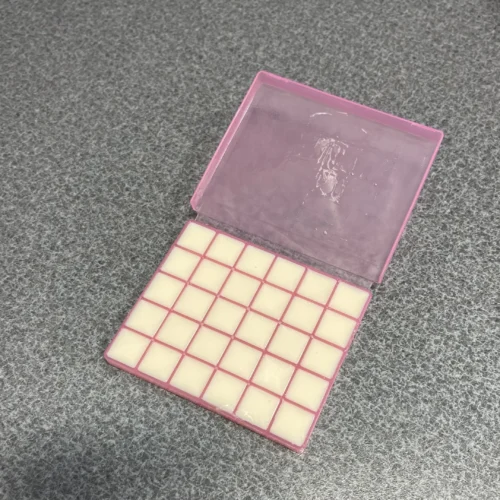
Where Can I Buy Ketamine troches Online Canada? Ketamine troches, also known as ketamine lozenges, are a compounded sublingual (under-the-tongue) or buccal (between cheek and gum) formulation of ketamine hydrochloride. These small, dissolvable tablets deliver ketamine for therapeutic purposes, primarily off-label treatment of treatment-resistant depression (TRD), anxiety, PTSD, chronic pain, and related conditions. Buy legal ketamine troches online United States | At-home ketamine therapy prescription online USA | Buy legal ketamine troches online United States | How to get prescribed ketamine troches online Canada | Legal ketamine troches telehealth Canada
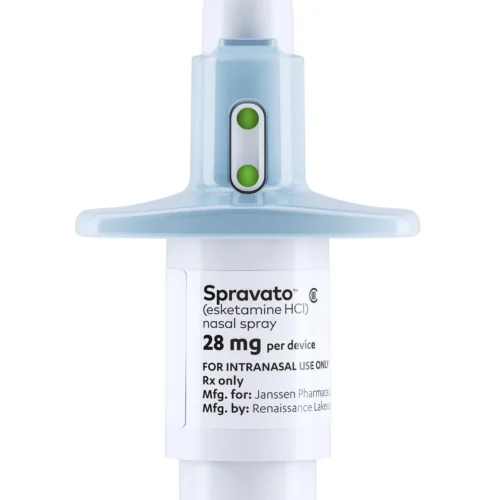
Unlike intravenous (IV) ketamine used in clinical settings for anesthesia or rapid antidepressant effects, or esketamine nasal spray (Spravato), troches offer a convenient, at-home option under medical supervision. They are custom-compounded by pharmacies because no FDA-approved troche version exists for psychiatric or pain indications. Buy legal ketamine troches online United States
Ketamine was synthesized in 1962 and approved by the FDA in 1970 as an anesthetic (Ketalar). It gained prominence for its dissociative properties, providing sedation, analgesia, and amnesia with relatively preserved respiratory function compared to other anesthetics. Legal ketamine troches telehealth Canada
In the 1990s–2000s, research revealed ketamine’s rapid antidepressant effects at sub-anesthetic doses, sparking interest in its use for mood disorders. Traditional oral ketamine has poor bioavailability due to first-pass metabolism, leading to the development of sublingual formulations like troches to improve absorption through oral mucosa.
Compounded troches emerged as clinicians sought non-invasive options for maintenance therapy after IV sessions or for patients unable to access clinic-based treatments. Studies, such as a 2021–2022 retrospective analysis, examined long-term use in chronic pain, showing safety over periods up to 89 months.
Ketamine primarily acts as a non-competitive antagonist at N-methyl-D-aspartate (NMDA) glutamate receptors. By blocking these receptors, it modulates glutamatergic signaling, which is dysregulated in depression, chronic pain, and other conditions.
This blockade triggers a cascade: increased glutamate release elsewhere, activation of AMPA receptors, and downstream effects like elevated brain-derived neurotrophic factor (BDNF). BDNF promotes synaptogenesis and neuroplasticity, helping “reset” neural circuits involved in mood and pain perception. Effects can onset rapidly (within hours to days for mood) compared to traditional antidepressants that take weeks. At-home ketamine therapy prescription online USA
Ketamine also interacts with opioid receptors, monoamine systems, and has anti-inflammatory properties. At sublingual doses, it produces milder dissociative effects than higher IV doses, allowing functional use while still providing therapeutic benefits.
Bioavailability is a key factor: sublingual absorption bypasses much of the liver’s first-pass metabolism (CYP3A4 and CYP2B6 enzymes), achieving roughly 25–35% bioavailability versus ~17% for swallowed oral forms and nearly 100% for IV. Variability depends on holding time, saliva swallowing, and individual factors.
Mental Health: Ketamine troches are used off-label for treatment-resistant depression, anxiety disorders, PTSD, and OCD. Small RCTs and observational data suggest benefits, with some patients experiencing rapid mood improvement. Protocols often involve 3x weekly dosing initially, then tapering.
Chronic Pain: Effective for non-malignant pain (e.g., neuropathic, fibromyalgia). A retrospective study of 29 patients showed reduced pain and opioid use, with doses from 25–600 mg/day divided. Many reduced or stopped other analgesics. How to get prescribed ketamine troches online Canada
Other potential uses include migraine, complex regional pain syndrome (CRPS), and adjunctive therapy. Effects are not universal; response varies, and it’s often part of a multimodal plan including therapy, lifestyle changes, and other medications.
Lie down or sit in a calm environment, especially for initial doses.
Have a trusted person present for safety, particularly early on.
Onset is typically 15–45 minutes, with peak effects in 1–2 hours and duration of several hours. Patients often describe mild dissociation, relaxation, or introspective states rather than intense “K-hole” experiences at therapeutic doses.
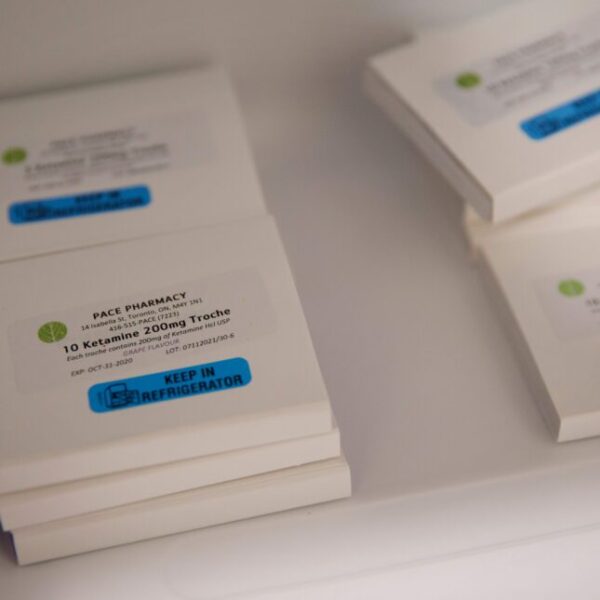
Preparation: Compounded in strengths like 10 mg, 50 mg, 100 mg, or 200 mg per troche, often flavored (e.g., mint, fruit) for palatability. Pharmacies use ketamine HCl powder in a base that promotes dissolution. Legal ketamine troches telehealth Canada
Storage: Usually refrigerated; protect from light and moisture. Follow pharmacy-specific beyond-use dates (often up to 6 months).
Dosing is highly individualized. For depression/anxiety: starting doses often 50–100 mg per session, titrated up to 200 mg or more, 2–3 times weekly. For pain: 25 mg TID initially, up to higher divided daily totals.
Providers titrate based on response, tolerability, and blood pressure (check BP before dosing; avoid if >150/100). Lower doses minimize side effects while leveraging neuroplasticity. Long-term use requires regular monitoring.
In the chronic pain study, 24% reported side effects, but only 7% discontinued (mainly drowsiness); no serious events like cystitis, hepatotoxicity, or renal issues over long-term use.
Serious Risks: Potential for abuse (Schedule III controlled substance), dependence, cognitive effects with heavy use, bladder issues (ketamine cystitis, more with high/recreational doses), elevated BP (contraindicated in uncontrolled hypertension), and psychiatric worsening in some. Not recommended in pregnancy, psychosis history, or certain cardiac conditions. Buy Ketamine Lozenges Online Canada.
FDA warnings highlight risks of compounded ketamine, including lack of standardized safety data for psychiatric use and potential variability in quality.
Monitoring includes baseline labs, regular check-ins, and integration with psychotherapy for best outcomes.
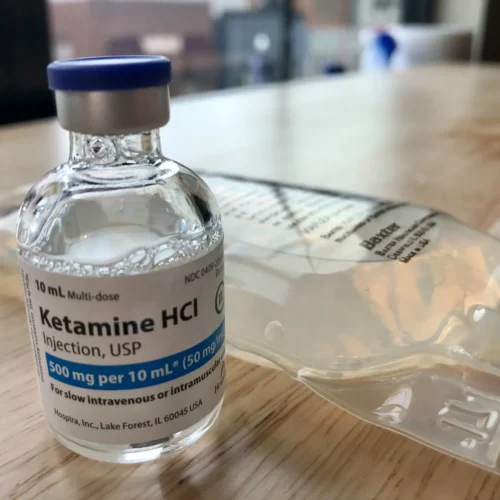
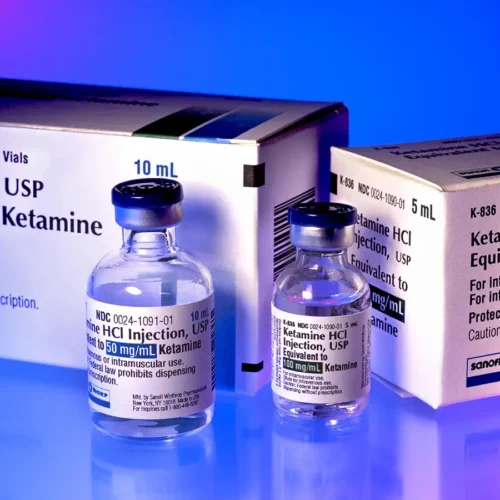
IV Ketamine: Highest bioavailability, fastest onset (minutes), most controlled and potent for acute relief. Requires clinic visits, higher cost/logistics.
Intramuscular (IM): Similar to IV but injection-based; faster than troches but variable absorption.
Troches: Convenient, at-home, lower intensity/cost for maintenance. More variable absorption and slower onset. Suitable for ongoing use but may be less effective for severe acute cases.
Troches balance accessibility with efficacy for many patients but are not a direct substitute for supervised higher-bioavailability routes. Ketamine Telemedicine Prescription USA.
Evidence is promising but limited compared to IV. Small RCTs for oral/sublingual ketamine show benefits in depression over placebo. Real-world data support pain reduction and mood improvement. Long-term studies are sparse but reassuring for safety in monitored use. More large-scale RCTs are needed. At-home ketamine therapy prescription online USA
Response rates vary; some achieve remission, others partial relief or none. Maintenance dosing helps sustain benefits. Buy legal ketamine troches online United States
Ketamine is a Schedule III controlled substance in the US. Troches are compounded under Section 503A (patient-specific) by licensed pharmacies and prescribed off-label. Not FDA-approved for psychiatric/pain uses beyond anesthesia. State laws vary on prescribing, telehealth, and compounding.
FDA has issued warnings about compounded ketamine risks and emphasizes supervised use. International status differs; consult local regulations. Prescriptions require DEA-compliant processes.
Cost: Often more affordable than IV series but varies by compounding pharmacy and insurance (frequently cash-pay). Access through specialized clinics or telehealth providers with compounding partnerships.
Patients should work with experienced providers for screening, dosing, and integration support. Set intentions, create a safe set/setting, and process experiences afterward. How to get prescribed ketamine troches online Canada
Research continues into optimized formulations (e.g., rapid-dissolve tablets), biomarkers for response, and combination therapies. While not a cure-all, ketamine troches represent an innovative tool in mental health and pain management, offering hope where traditional treatments fail.
Conclusion: Ketamine troches provide a patient-friendly delivery method leveraging ketamine’s unique pharmacology for mood and pain relief. With proper medical oversight, they can be safe and effective, though they require respect for their potency, variability, and controlled status. Always consult qualified healthcare professionals; self-medication is dangerous. Ongoing studies will refine their role in personalized medicine. Buy Ketamine Lozenges Online Canada.
Packet and Price
1 Pack ( 10 Troches Per Packet of 200mg), 2 Packs ( 10 Troches Per Packet of 200mg), 3 Packs ( 10 Troches Per Packet of 200mg), 5 Packs ( 10 Troches Per Packet of 200mg), 10 Packs ( 10 Troches Per Packet of 200mg)
Reviews
There are no reviews yet.
Be the first to review “Buy Ketamine troches Online Canada”Cancel Reply


Reviews
There are no reviews yet.