$270.00–$1,400.00Price range: $270.00 through $1,400.00
DOSAGE: 500mg , 200mg
Ketamine is most often used in veterinary medicine. In humans, it can induce and maintain general anesthesia before, during, and after surgery.
For medical purposes, ketamine is either injected into a muscle or given through an intravenous (IV) line.
Ketamine HCL Liquid for sale Near me USA is produced commercially in a number of countries, including the United States. Most of the ketamine illegally distributed in the United States is diverted or stolen from legitimate sources, particularly veterinary clinics, or smuggled into the United States from Mexico. Distribution of ketamine typically occurs among friends and acquaintances, most often at raves, nightclubs, and at private parties; street sales of ketamine are rare.
Where Can I Order Ketamine HCL Liquid Online Canada?
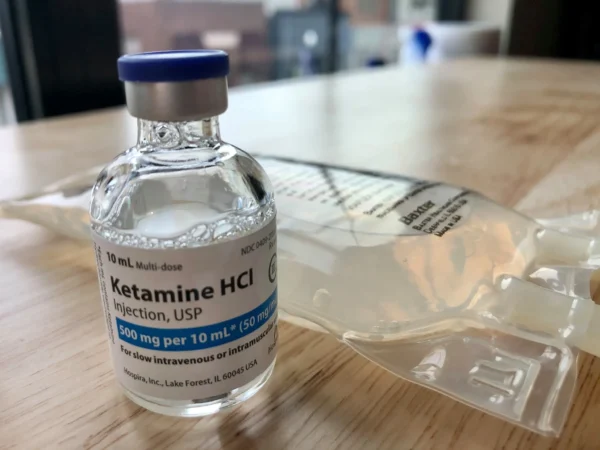
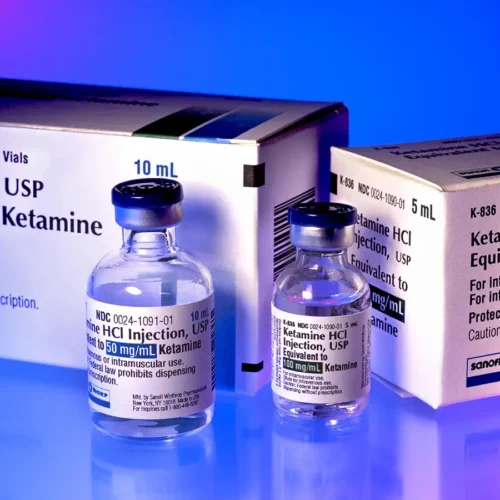
Where Can I Order Ketamine HCL Liquid Online Canada? Ketamine Hydrochloride (HCl) Liquid is a sterile, injectable solution of ketamine hydrochloride, a nonbarbiturate dissociative anesthetic. It is primarily used in medical settings for induction and maintenance of general anesthesia, particularly in procedures that do not require skeletal muscle relaxation. The liquid form (typically clear and colorless) comes in concentrations such as 10 mg/mL, 50 mg/mL, or 100 mg/mL ketamine base (equivalent to higher amounts of the hydrochloride salt). It is a Schedule III controlled substance in the US due to its potential for abuse and dependence. Order Ketamine hydrochloride injection solution In USA | Where To Buy Ketamine HCL liquid with prescription Canada | How to get a Ketamine infusion prescription online Canada? | How Can I Purchase Ketamine HCL Liquid Online USA?
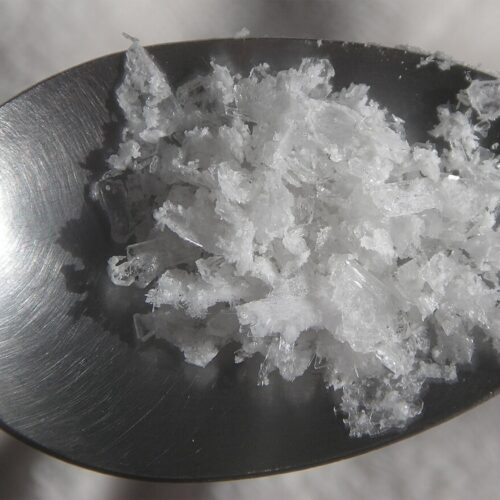
Ketamine HCl has the chemical name (±)-2-(o-chlorophenyl)-2-(methylamino)cyclohexanone hydrochloride. Its molecular formula is C₁₃H₁₆ClNO·HCl, with a molecular weight of approximately 274.19. It is a white crystalline powder that is highly soluble in water, forming the liquid injectable solution. The solution is slightly acidic (pH 3.5–5.5) and may include preservatives like benzethonium chloride (up to 0.1 mg/mL) and sodium chloride for isotonicity in lower concentrations.
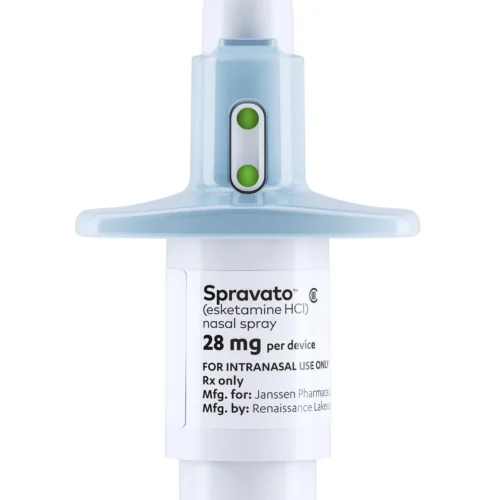
The molecule exists as a racemic mixture of two enantiomers: S(+)–ketamine (esketamine) and R(–)–ketamine. Esketamine is more potent at NMDA receptors and has been developed separately (e.g., as a nasal spray for depression). The liquid formulation is designed for intravenous (IV) or intramuscular (IM) administration, allowing rapid onset. Where Can I Order Ketamine HCL Liquid Online Canada?
Ketamine was first synthesized in 1962 by Calvin L. Stevens at Parke-Davis while seeking a safer alternative to phencyclidine (PCP), which had significant hallucinogenic side effects. It was initially tested in the 1960s and approved by the FDA in 1970 as Ketalar for anesthetic use. Its dissociative properties made it valuable during the Vietnam War for battlefield anesthesia, where it could maintain cardiovascular stability and spontaneous breathing.
In veterinary medicine, it remains widely used for animals. Over decades, research expanded beyond anesthesia. In 2000, Yale researchers (notably John Krystal) demonstrated its rapid antidepressant effects at sub-anesthetic doses, revolutionizing treatment for depression. This led to the 2019 FDA approval of esketamine nasal spray (Spravato) for treatment-resistant depression.
Ketamine acts primarily as a non-competitive antagonist of the N-methyl-D-aspartate (NMDA) receptor, an ionotropic glutamate receptor in the central nervous system (CNS). By blocking these receptors, it disrupts glutamate signaling, leading to a dissociative state: profound analgesia, sedation, and amnesia while often preserving airway reflexes and cardiovascular function. Ketamine Telemedicine Prescription USA.
It also interacts with other systems:
Opioid receptors (partial agonism at mu receptors contributes to analgesia).
Monoamine systems (inhibits reuptake of dopamine, serotonin, and norepinephrine).
HCN1 channels and other receptors, contributing to its unique profile.
At anesthetic doses, it produces a “dissociative anesthesia” where sensory input is interrupted, creating a trance-like state with catalepsy (immobility), but without full unconsciousness in the classical sense. It stimulates the sympathetic nervous system, often increasing heart rate, blood pressure, and cardiac output—making it useful in hemodynamically unstable patients (unlike many other anesthetics). Order Ketamine hydrochloride injection solution In USA
Pharmacokinetics:
Onset: Very rapid—IV: 30–60 seconds; IM: 3–5 minutes.
Duration: Anesthetic effects last 5–10 minutes (IV) or longer (IM); full recovery can take 1–2 hours or more.
Metabolism: Primarily hepatic via CYP enzymes to norketamine (active metabolite) and others. Half-life ~2.5 hours (terminal).
Elimination: Mostly renal as metabolites. Where Can I Order Ketamine HCL Liquid Online Canada?
General Anesthesia: As the sole agent for short diagnostic/surgical procedures (e.g., orthopedic manipulations, dental work, burn dressing changes) or as an induction agent before other anesthetics. Ideal for patients with asthma or shock due to bronchodilation and hemodynamic stability.
Pain Management: For acute and chronic pain, including neuropathic pain and in emergency settings. Low-dose infusions are used for postoperative pain or in palliative care.
Sedation: In emergency departments or ICUs for procedures or agitated patients.
Psychiatric Applications: Off-label IV ketamine infusions for treatment-resistant depression, PTSD, anxiety, and suicidal ideation show rapid (hours to days) effects, possibly via increased BDNF (brain-derived neurotrophic factor), synaptic plasticity, and glutamate modulation. Esketamine is FDA-approved for this.
Veterinary use includes anesthesia in cats, primates, and other animals.
Dosage (Adult, Approximate—Always Under Medical Supervision):
IV Induction: 1–4.5 mg/kg (average 2 mg/kg) over 60 seconds.
IM Induction: 6.5–13 mg/kg.
Maintenance: Half to full induction dose repeated as needed.
Depression (Off-label): Much lower, e.g., 0.5 mg/kg IV infusion over 40 minutes.
Doses must be individualized based on age, weight, concurrent medications, and patient condition. Children and elderly may require adjustments.
Ketamine HCl liquid is supplied in multi-dose vials. It should be stored at controlled room temperature, protected from light. Administration requires monitoring of vital signs, oxygenation, and readiness for airway management. It is often combined with benzodiazepines (e.g., midazolam or diazepam) to reduce emergence reactions. How to get a Ketamine infusion prescription online Canada?
Respiratory depression (with rapid/high dosing or combinations).
Psychiatric worsening, dissociation.
Bladder toxicity (cystitis, ulcerative cystitis) with chronic/recreational use.
Increased intracranial pressure (caution in head injury).
Potential for abuse and dependence.
Long-term or high-dose use can lead to tolerance, cognitive issues, and “K-hole” (intense dissociation) in recreational contexts. Pediatric neurotoxicity concerns exist for prolonged exposure in young children. How Can I Purchase Ketamine HCL Liquid Online USA?
Contraindications: Significant hypertension risk, hypersensitivity, conditions where elevated BP is hazardous (e.g., uncontrolled hypertension, aneurysms), certain psychiatric conditions. Where Can I Buy Ketamine HCL Crystal Online Canada?
Recreationally, ketamine (often powder dissolved into liquid or snorted) is known as “Special K.” It can cause profound dissociation, hallucinations, and amnesia—sometimes used as a “date rape” drug. Overdose risks include respiratory failure, though it has a wide safety margin compared to barbiturates. Chronic use is linked to urinary tract damage (“ketamine bladder”), cognitive impairment, and psychological dependence. How Can I Purchase Ketamine HCL Liquid Online USA?
FDA warns against compounded ketamine products for psychiatric use outside supervised settings due to safety risks.
Ongoing studies explore ketamine for chronic pain, addiction, OCD, and more. Its rapid antidepressant action has spurred glutamatergic drug development. Challenges include managing side effects and developing longer-lasting analogs. Where To Buy Ketamine HCL liquid with prescription Canada?
Schedule III in the US: Medical use accepted, moderate abuse potential. Strictly controlled; prescriptions and administration are regulated. Compounded versions carry additional risks as they are not FDA-approved for non-anesthetic uses. Where Can I Order Ketamine HCL Liquid Online Canada?
Patients should be fasting, monitored continuously (ECG, BP, pulse oximetry), and not discharged until fully recovered. Avoid driving or operating machinery for 24 hours. Inform providers of all medications and conditions. Pregnant/breastfeeding use is generally avoided due to fetal risks. Where To Buy Ketamine HCL liquid with prescription Canada?
In summary, Ketamine HCl liquid is a versatile, rapid-acting agent with a unique pharmacological profile that distinguishes it from other anesthetics. Its dual role in life-saving anesthesia and emerging psychiatric treatments underscores its importance in medicine, but it demands respect for its potency, side effects, and abuse liability. All use must occur under qualified medical supervision. This explanation draws from established medical literature and prescribing information; consult healthcare professionals for personalized advice. How to get a Ketamine infusion prescription online Canada? Buy Ketamine Troches Online Canada.
mg Per ml and Prices
3 Bottles of 500mg Per 10ml, 5 Bottles of 500mg Per 10ml, 10 Bottles Of 500mg Per 10ml, 20 Bottles Of 500mg Per 10ml
Reviews
There are no reviews yet.
Be the first to review “Order Ketamine HCL Liquid Online Canada”Cancel Reply


Reviews
There are no reviews yet.